Is there a limit to how many ChatGPT apps I can build or publish?
Last updated: 12/8/2025
OpenAI has not published official limits on how many ChatGPT apps you can build or publish using the Apps SDK. Developers can currently create and test unlimited apps in Developer Mode. However, practical constraints exist around tool counts per app, API rate limits, and eventual review processes when submissions open.
What Are the Current Limits on Building ChatGPT Apps?
There are no published caps on the number of apps a single developer can build using the ChatGPT Apps SDK. According to OpenAI's official documentation, the Apps SDK is currently in preview mode, allowing any developer to build and test apps freely using Developer Mode in ChatGPT.
The Apps SDK launched in October 2025 and builds on the Model Context Protocol (MCP), an open standard for connecting AI systems to external tools and data. OpenAI has stated that app submissions for the public directory will open later in 2025, but they have not announced specific quotas for how many apps each developer can submit.
During the preview phase, developers can:
- Build unlimited apps locally or on hosted servers
- Test apps using Developer Mode in ChatGPT
- Deploy apps for internal team use (Business, Enterprise, and Edu customers)
- Connect multiple MCP servers with various tools
Are There Limits on Tools Per App?
OpenAI has not published an official limit on the number of tools a single MCP server can expose in the Apps SDK. Community reports from the OpenAI Developer Forum indicate that developers have successfully run apps with 20 or more tools without issues.
The primary constraint developers have encountered is a character limit on tool descriptions, which appears to be approximately 19,700 characters per tool. This means you can add many tools to your app, but each tool's description must stay within that boundary.
What Happens When App Submissions Open?
OpenAI has announced that app submissions will open later in 2025, along with a dedicated directory where users can browse and search for apps. Based on patterns from the GPT Store (which launched in January 2024), there may be limits on how many apps each developer can publish publicly.
The GPT Store precedent suggests potential restrictions:
- Developers reported hitting limits around 150 published GPTs in the store
- OpenAI implemented these limits shortly after the GPT Store launch to prevent spam
- Apps shared via link (not in the store) did not count toward this limit
While the Apps SDK ecosystem may operate differently, developers should prepare for the possibility of similar publication quotas when submissions open.
What Rate Limits Apply to ChatGPT Apps?
Rate limits for ChatGPT apps vary by subscription tier and are tied to the underlying model and API consumption. OpenAI has not published static rate limit tables specifically for Apps SDK usage. However, general constraints include:
- Context windows: Vary by model family and plan type
- Requests per minute (RPM): Determined by usage tier for API access
- Tokens per minute (TPM): Scale based on plan and spending history
For ChatGPT Plus users, message limits typically reset on rolling windows rather than daily resets. Enterprise and Business customers receive higher allowances described as "virtually unlimited" under fair use policies.
What Are the Quality Requirements for Publishing?
OpenAI's developer guidelines establish criteria that apps must meet to be available in ChatGPT. Apps that meet basic standards will be eligible for listing, while those meeting higher design and functionality standards may be featured more prominently in both the directory and conversations.
Key requirements include:
- Apps must serve a clear purpose and reliably deliver on their promises
- Only use intellectual property you own or have permission to use
- Include a clear, published privacy policy
- Collect only the minimum data required for the app's function
- Handle errors gracefully with clear messaging or fallback behaviors
- Test thoroughly before submission to ensure stability and low latency
Misleading designs, impersonation, spam, or static frames with no meaningful interaction will be rejected.
How Noodle Seed Helps Solving Apps Limit?
The limits discussed above create real challenges for businesses. You need to understand MCP protocols, manage tool description character counts, ensure your app meets quality standards for approval, and potentially compete for limited publishing slots when submissions open. For most businesses, these constraints translate into months of development time and significant technical investment.
Noodle Seed solves these limit-related problems directly:
Create Multiple Apps Without Technical Constraints
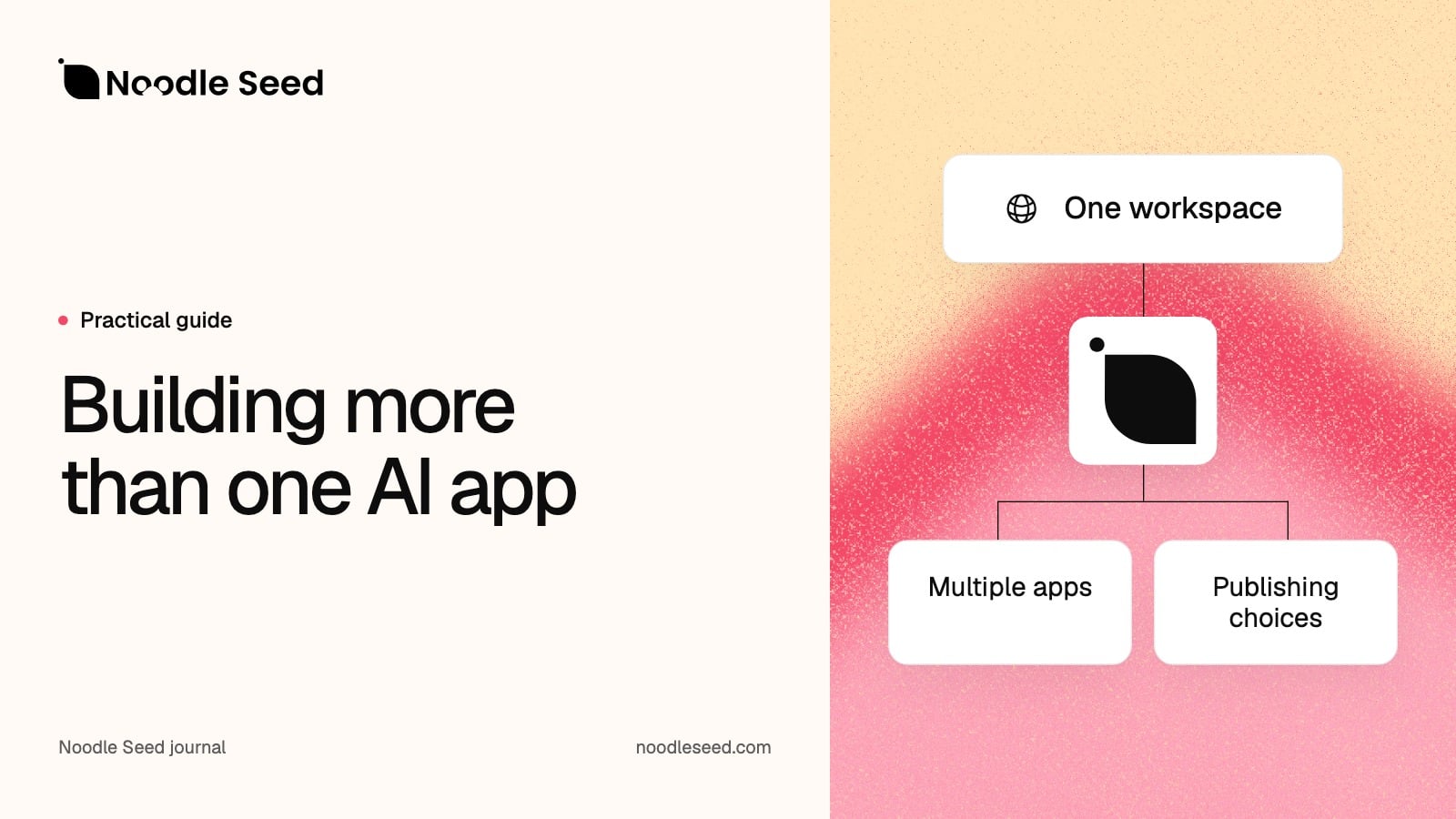
While building multiple ChatGPT apps traditionally requires duplicating your entire development effort for each one, Noodle Seed lets you create and manage multiple apps effortlessly. Have several business locations? Different product lines? Multiple brands? You can launch a separate ChatGPT app for each without hiring additional developers or managing multiple server infrastructures. The platform scales with your needs, not your technical capacity.
Bypasses Technical Capacity Limits
The biggest limit most businesses face is not from OpenAI but from their own development resources. Building even one quality ChatGPT app requires MCP expertise, server infrastructure, and UI design skills. Noodle Seed eliminates this bottleneck entirely. You enter your website URL, the platform scans your business automatically, and your app is ready in under 5 minutes. No developers required.
Optimizes for Quality Standards
When app submissions open, OpenAI will prioritize apps that meet higher design and functionality standards for prominent placement in the directory and conversations. Noodle Seed apps are built using the same Apps SDK and MCP standards that power apps from Spotify, Booking.com, Canva, Figma, and Zillow. This means your app follows proven patterns that align with OpenAI's quality expectations from day one.
Handles Infrastructure Rate Limits
Rate limits and API constraints are managed at the infrastructure level. Noodle Seed handles all backend operations, server management, and API calls. You never need to worry about hitting request limits, managing tokens per minute, or debugging rate limit errors. The platform absorbs these technical constraints so your app stays responsive.
Future-Proofs Against Platform Limits
If ChatGPT introduces strict publishing quotas, businesses locked into a single platform face risk. Noodle Seed uses the Model Context Protocol, which means your app can work across ChatGPT, Claude, Gemini, and Perplexity as those platforms open their ecosystems. Create once with Noodle Seed, and your presence expands automatically without rebuilding for each AI platform.
For businesses wanting to reach ChatGPT's 800 million weekly users without being constrained by technical limits, publishing uncertainties, or platform dependencies, Noodle Seed provides a clear path forward.
Frequently Asked Questions
Can I build unlimited ChatGPT apps during the preview?
Yes. OpenAI has not published any limits on how many apps developers can create and test during the Apps SDK preview. You can build as many apps as you want using Developer Mode in ChatGPT.
Will there be publishing limits when submissions open?
OpenAI has not announced specific limits, but precedent from the GPT Store suggests there may be caps on publicly listed apps. Developers hit limits around 150 GPTs in the store, implemented to prevent spam. Similar restrictions may apply to the Apps SDK ecosystem.
How many tools can I include in a single app?
There is no official limit on tools per MCP server. Developers report running 20+ tools without problems. The main constraint is a character limit of approximately 19,700 characters per tool description.
What happens if I exceed rate limits?
If you exceed rate limits, ChatGPT may throttle your app's responses or temporarily limit access. Rate limits vary by plan type, with Enterprise and Business customers receiving the highest allowances under fair use policies.
Do I need to code to build a ChatGPT app?
If using the Apps SDK directly, yes. You need web development skills and understanding of MCP protocols. However, platforms like Noodle Seed let businesses create ChatGPT apps without any coding by automatically scanning your website and generating the app.
Can I monetize my ChatGPT apps?
OpenAI has announced that monetization details will be shared when submissions open, including support for the Agentic Commerce Protocol. This open standard enables instant checkout directly in ChatGPT conversations.
Will my app work on platforms other than ChatGPT?
Apps built on the Model Context Protocol can potentially run on any platform that adopts the standard. Claude, Gemini, and Perplexity are expected to open their ecosystems to MCP-based apps. Using a platform like Noodle Seed means you create once and deploy everywhere as new platforms become available.
What are the review criteria for app approval?
Apps must provide clear value, respect user privacy, behave predictably, and comply with OpenAI's usage policies. Apps with higher design and functionality standards may be featured more prominently in the directory and in conversations.
How long does it take to get an app approved?
OpenAI has not yet opened public submissions or announced review timelines. During the preview period, you can test and deploy apps immediately for internal team use without going through a review process.
What data can my app collect from users?
Apps should collect only the minimum data required to perform their function. Sensitive data like payment card information, protected health information, government identifiers, API keys, and passwords must not be collected. All apps must include a published privacy policy explaining data collection practices.
Conclusion
OpenAI has not set official limits on building ChatGPT apps during the preview phase, but practical constraints around tool descriptions, rate limits, and quality standards still apply. When public submissions open, publishing quotas may emerge similar to the GPT Store's restrictions.
The best time to establish your ChatGPT presence is now. Start building and testing before the directory launches and competition for visibility increases.
Get Started with Noodle Seed
Ready to establish your business on ChatGPT and other AI platforms? Start building your AI presence in minutes.
Start Free →Related Articles
- Can a ChatGPT App Support Real-Time Interactions?
Learn how apps deliver live data and interactive experiences.
- Tools to Build ChatGPT Apps Without Coding
Discover no-code tools for building ChatGPT apps in minutes.
- Deploy to ChatGPT, Claude, Perplexity at Once
Build once, deploy everywhere with Model Context Protocol.